Wood Shaped by Water, Tide, and Time

Observations from Canada's Pacific and Atlantic shores — on the natural movement of coastal wood, the materials that collect along the tideline, and the sculptural traditions that have grown around them.

Updated May 4, 2026

Recent Topics

Driftwood logs arranged on a beach shoreline

Coastal Ecology

How Driftwood Forms on Canadian Coasts

The journey of a piece of driftwood begins far inland. Rivers carry fallen timber to the sea, where currents, salinity, and biological processes gradually transform it into the bleached, smooth forms found on beaches from Haida Gwaii to Cape Breton.

May 4, 2026

Driftwood log wedged against a coastal rock formation

Materials

Working with Coastal Natural Materials

Beyond driftwood, Canadian shorelines yield sea glass, smooth river stones, dried kelp, and weathered shell — each with specific characteristics that determine how they behave when incorporated into nature-based compositions.

May 4, 2026

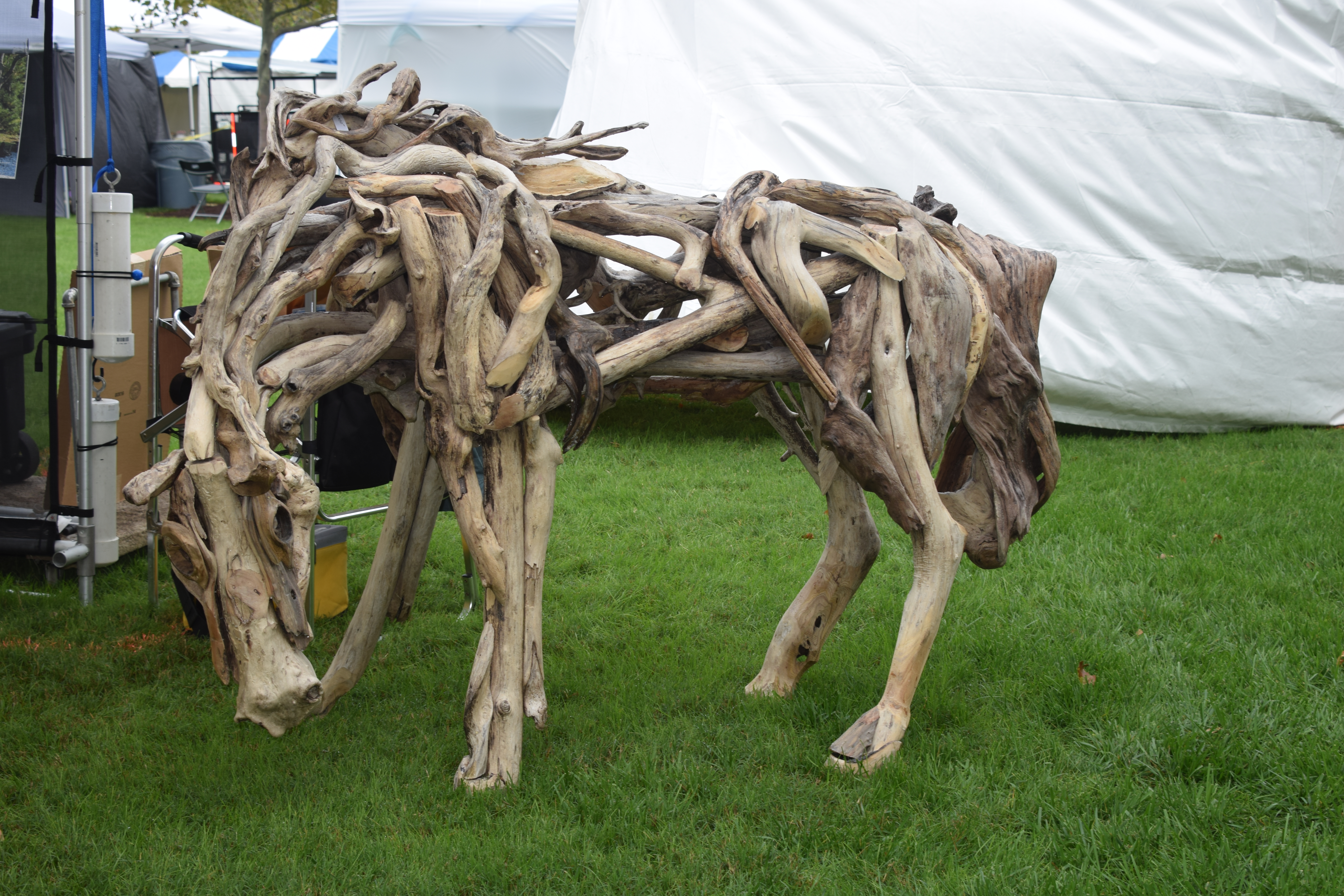
A large horse figure constructed from assembled driftwood pieces

Sculpture

Driftwood Sculpture Techniques

Assembling driftwood into freestanding or mounted forms involves matching grain directions, choosing appropriate fasteners, and understanding how the wood continues to move as moisture levels change through the seasons.

May 4, 2026

Canada's Coastline Spans Over 202,000 Kilometres

That total — the longest national coastline on Earth — encompasses conditions that produce driftwood of remarkable variety. Softwoods from northern BC rivers differ markedly in texture and density from the hardwoods that wash ashore along the St. Lawrence and Gulf of St. Lawrence shores.

Read the full overview

The Material Behind the Art

202,080 km

Canada's total coastline length — the longest in the world — spanning Pacific, Arctic, and Atlantic shores.

2–15 years

Approximate time a piece of timber spends at sea before reaching the intertidal zone in a recognizable driftwood state.

~40 species

Number of tree species whose wood regularly enters the BC coastal drift system, including Douglas fir, red cedar, and Sitka spruce.

Assembling Forms from Found Material

Driftwood sculpture does not follow a single method. Some practitioners collect over many months, sorting by size and grain before a composition takes shape. Others build directly from what a single beach visit yields, letting the material constrain the form. The results differ considerably — and both approaches have distinct communities in Canada's coastal art circles.

The article on sculpture techniques covers fastening methods, surface treatment, and how to stabilize pieces that will be displayed outdoors.

Assembled driftwood sculpture displayed outdoors on stone pavement

Sea Glass, Kelp, and Shore Stone

Driftwood rarely arrives alone. The intertidal zone along Canadian beaches collects an assortment of natural materials — some plant-based, some mineral — that each have different working properties. The reference on coastal natural materials examines how these substances are identified, prepared, and used alongside wood in nature-based compositions.

Read the materials overview

Send a Note

Questions about specific content or corrections can be directed through the form below or by email at info@driftandpine.org.